
Error codes explained
An error code is a diagnosis, not a complaint. Each one narrows the problem to a specific layer - And tells you whether you can fix it.
The single most useful thing about an error page is the number on it. A 502 and a 404 are produced by different machines for different reasons, and confusing them wastes an afternoon.
These guides go through the codes people actually encounter, in the order of how often they appear, with the practical question answered first: Is this mine to fix, or theirs?
If you are not sure where to start, 500 internal server error is the one most people need first, and 502 bad gateway follows on from it directly. If you would rather just find out whether a particular site is working, check it from our servers or look at what is failing right now.
All 11 guides in error codes explained
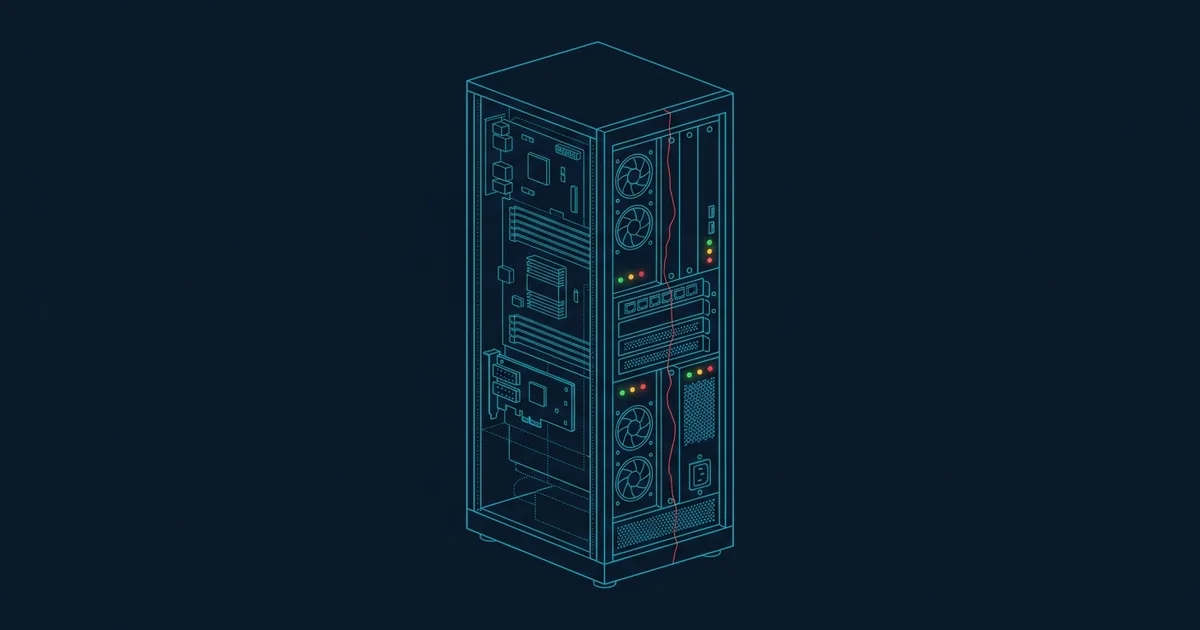
500 Internal Server Error
What a 500 Internal Server Error actually means, why it is always the server's fault, and the handful of cases where a visitor can work around it.
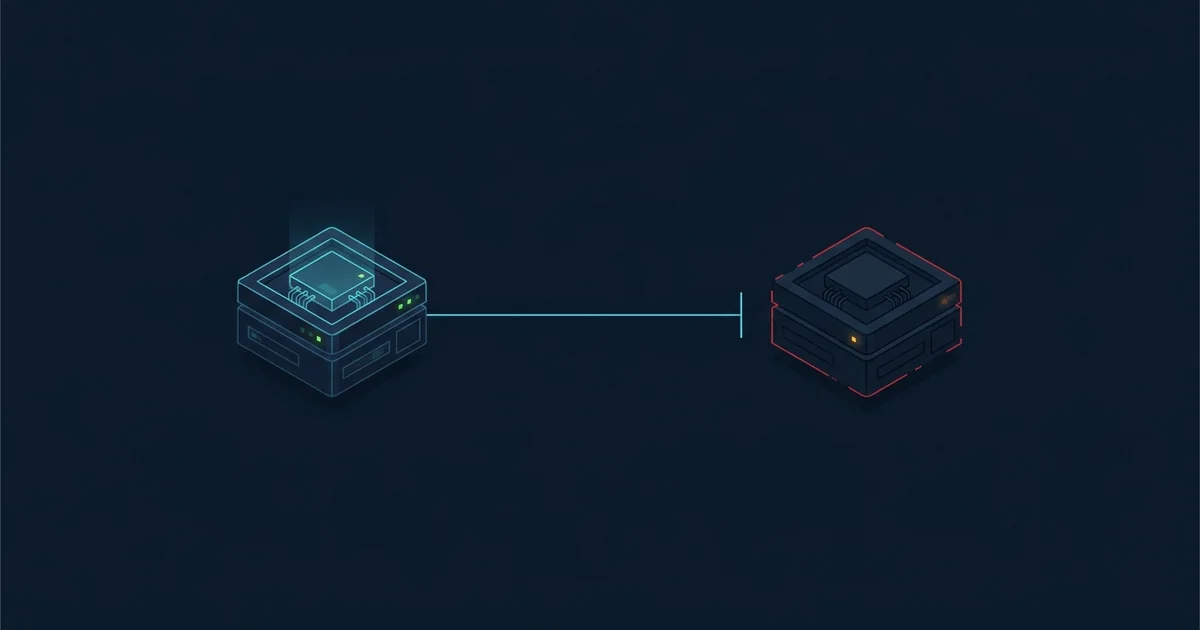
502 Bad Gateway
What a 502 Bad Gateway error means, why it is one of the most common outage errors, and why it usually clears within minutes.

503 Service Unavailable
What a 503 Service Unavailable error means, why it is often deliberate, and what the Retry-After header tells you about how long to wait.
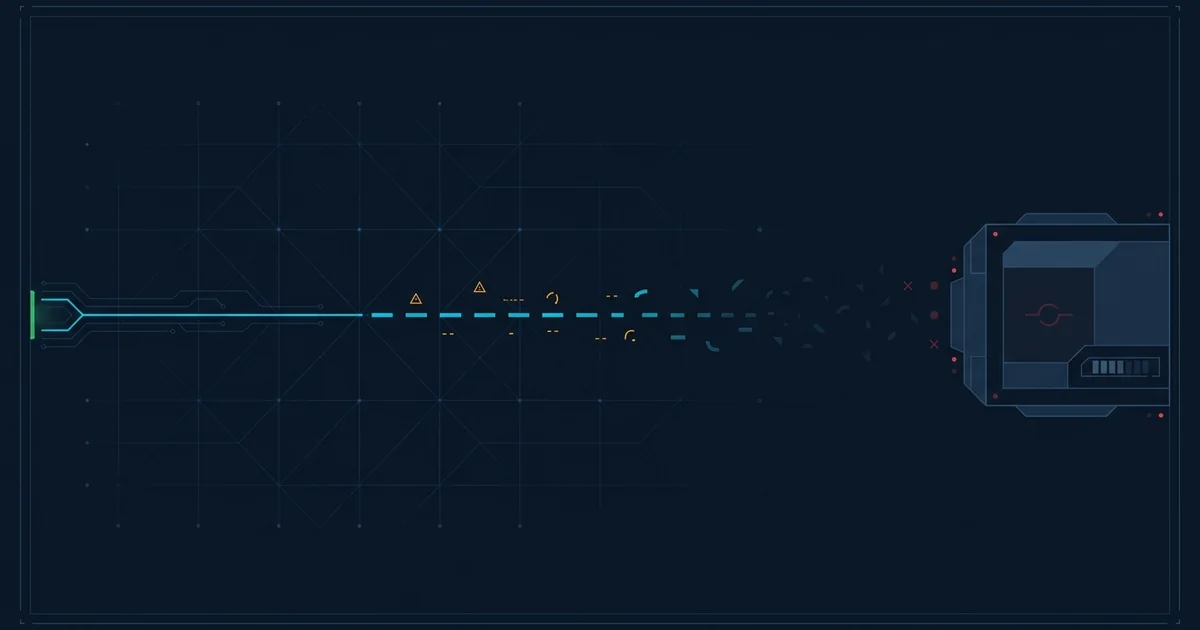
504 Gateway Timeout
What a 504 Gateway Timeout means, why it indicates a stuck rather than a dead application, and what usually causes the delay.
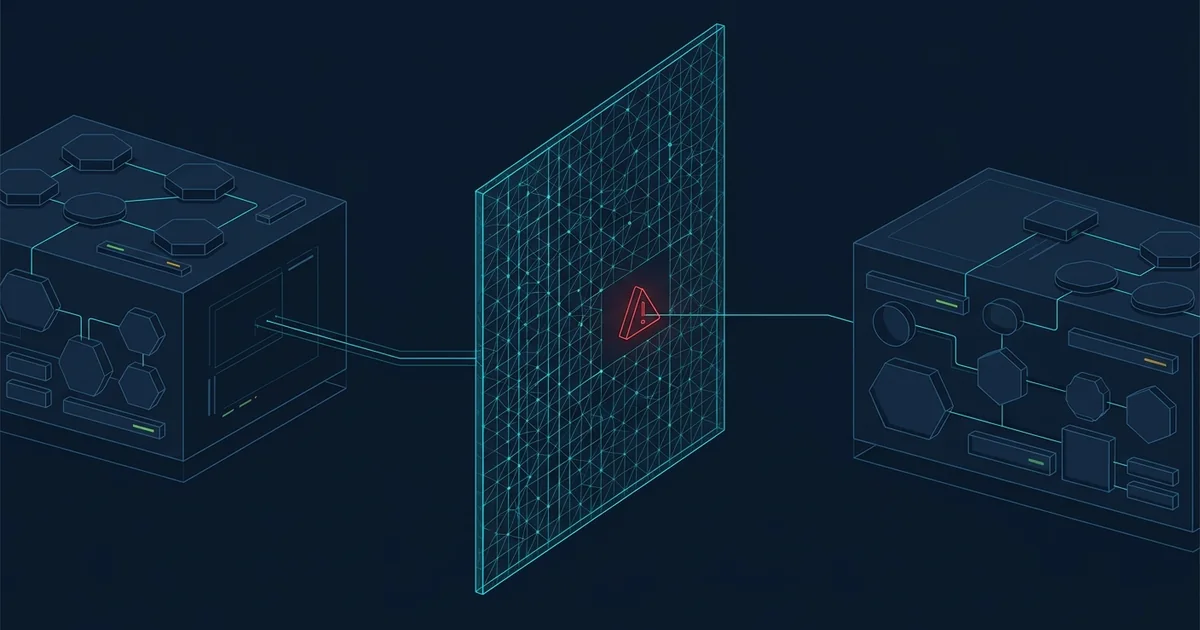
Cloudflare error codes
What Cloudflare errors 520, 521, 522, 523, 524, 525 and 526 mean, and whether the fault is Cloudflare or the website behind it.

404 Not Found
What a 404 Not Found error means, why it is a sign of a healthy server, and the cases where a 404 really does indicate something broken.

403 Forbidden
What a 403 Forbidden error means, why VPNs and shared addresses trigger it, and how to tell an access rule from a bot filter.

429 Too Many Requests
What a 429 error means, the difference between rate limits and quotas, and how to handle one properly as a user or a developer.
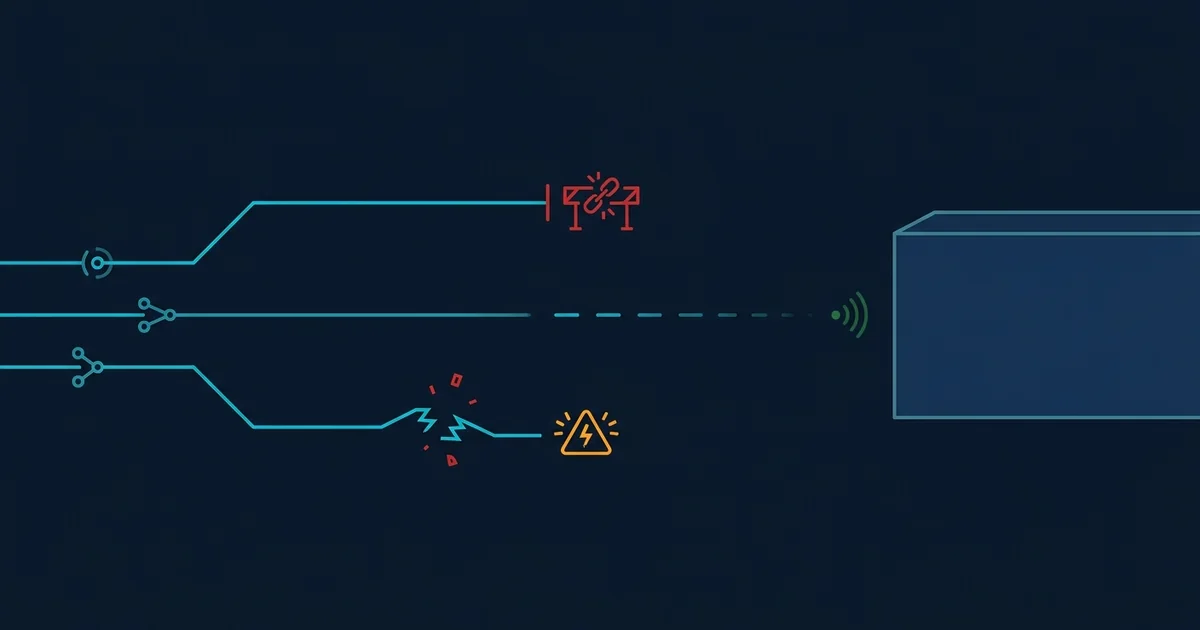
Browser connection errors
What ERR_CONNECTION_REFUSED, ERR_CONNECTION_TIMED_OUT and ERR_CONNECTION_RESET mean, and how to tell which side caused each.

DNS_PROBE_FINISHED_NXDOMAIN
What DNS_PROBE_FINISHED_NXDOMAIN means, the difference between a genuinely non-existent domain and a resolver problem, and how to tell them apart.

SSL and TLS certificate errors
What NET::ERR_CERT_DATE_INVALID and the other certificate warnings mean, which are safe to understand and which are not safe to bypass.